In the academic year 2024/2025, 18.4% of all school absences were persistent ones. Although this represents a decrease within recent years, the rate is considerably higher than pre-pandemic levels.
The Department for Education has published new data on pupil attendance in schools up until the first week of March. The data shows rate decreases across all indicators from last year.
The overall absence rate registered so far in the academic year was 6.6%. 4.5% were authorised absences whilst 2.1% were unauthorised ones. For persistent absences, pupils who miss more than 10% of all sessions, this rate was 1.9% lower than the previous year, but over 5% higher compared to 2019/2020.
Absences were highest in special schools, at 12.8%, and lowest in primary schools (5.2%).
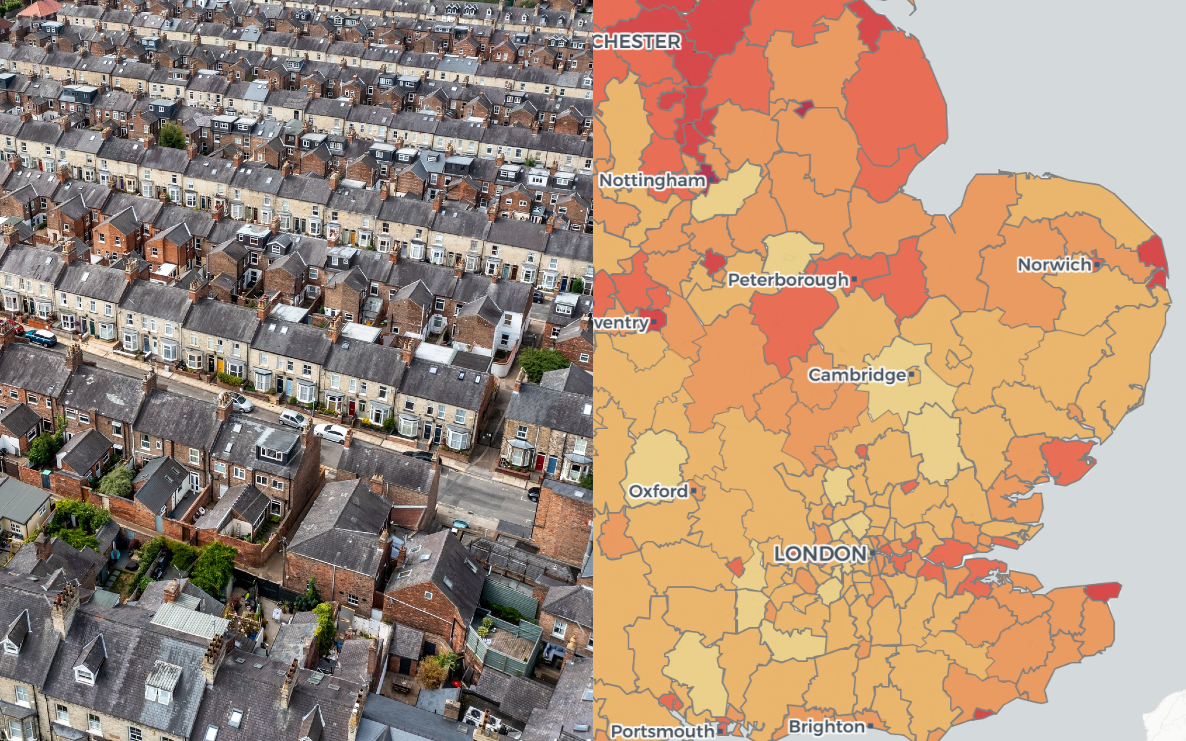
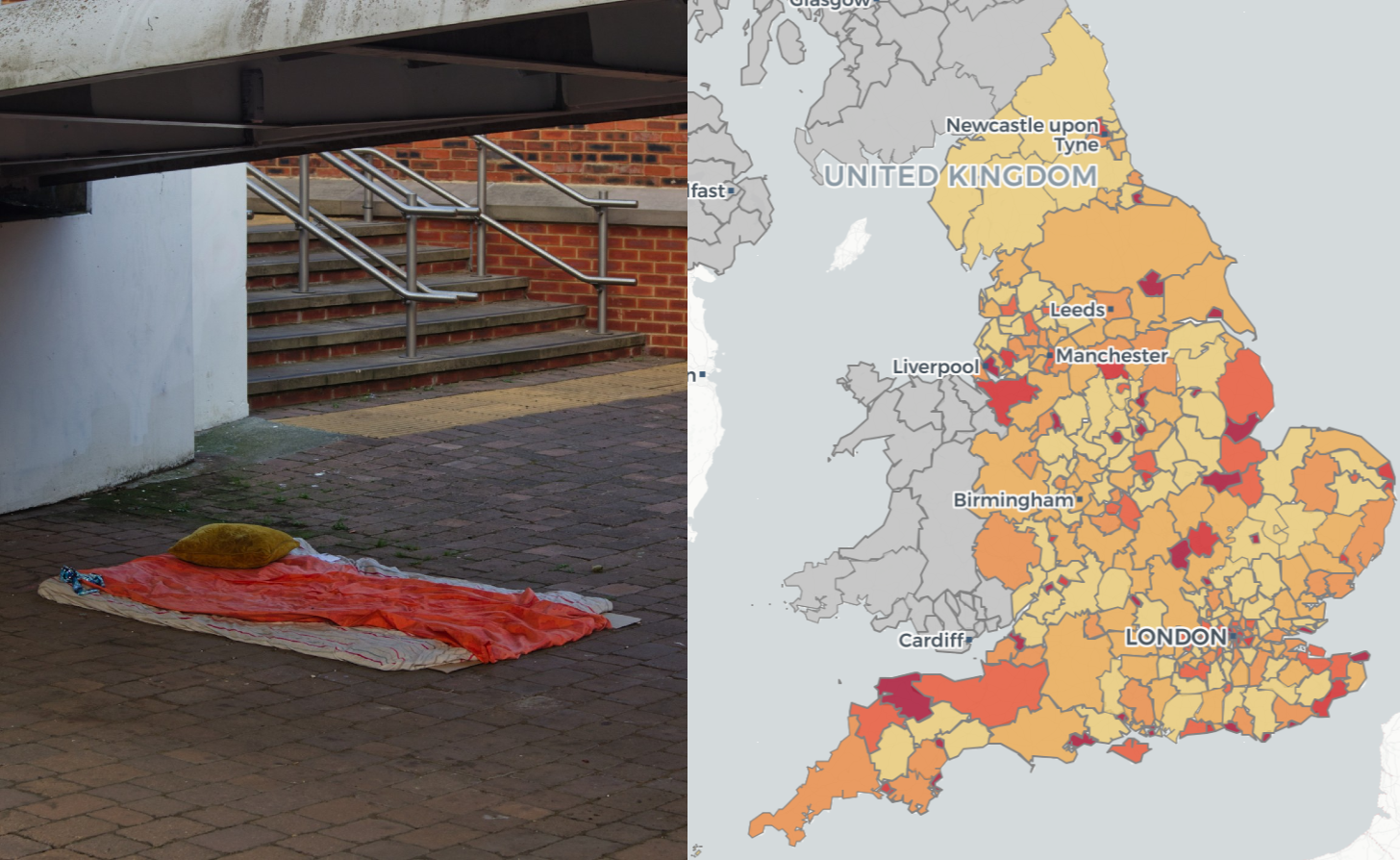
On a local level, in primary and secondary schools, Knowsley registered the highest overall absence rate, with 6.4% and 11% respectively. The authority also registered the highest rates of unauthorised absences, 2.7% in primary and 7.5% in secondary schools.
Conversely, for primary schools these rates were lowest in Trafford (4.2%) and Richmond (4.3%), whilst for secondary schools, Sutton (6%) and Trafford (6%) registered the lowest absence rates.
About this map
In this visualisation, we have mapped pupil attendance by education type for 2024/2025 so far. To learn more about the statistics in your area, double click the map or click here to launch the full page version.
Geodata context
The new data on attendance comes as the Education Policy Institute released a new report which reveals higher levels of absence as a key factor in the attainment and pathway gap between disadvantaged pupils and their peers.
The report has found that if disadvantaged pupils had the same level of absence as their peers in 2023, the attainment gap at age 11 would have been nearly one month smaller.
Last week, Education Secretary, Bridget Philipson, vowed to boost attendance in schools, as rates remain far higher than before the pandemic.
Bridget Philipson, secretary of state for education: “I expect schools falling behind on attendance to catch up, and fast, because we all know that children’s life chances are at stake.”
“There are children who are regularly missing significant periods of time out of school, often for complex reasons, but alongside that, we know we can make a lot of progress if we take action as early as possible…”
Paul Whiteman, general secretary of school leaders’ union NAHT: “The only way to actually make progress is to look at the causes of absence – from parental attitude changes, holiday pricing, and children and young people’s experiences of mental health and poverty. Unless we begin to improve those things, absence will continue.”
Dr Patrick Roach, general secretary of NASUWT – The Teachers’ Unions: “High levels of persistent absence are one of the biggest challenges facing teachers and one of the biggest threats to the quality of education and children’s future life chances. As this research underlines, absence remains a bigger challenge among the pupils who most benefit from being in school – pupils from disadvantaged backgrounds and those with special needs.”