The number of job vacancies in the UK fell for the 34th consecutive quarter, while the claimant count rose both month-on-month and year-on-year to over 1.7 million, new figures show.
This morning, the Office for National Statistics released new Labour Market data, revealing a significant quarter-on-quarter fall in the number of UK job vacancies by 42k and an increase in the unemployment rate to 4.5%. The employment rate remains largely unchanged.
Additionally, the number of payrolled employees fell by 63k in March 2025, from the previous year.
Annual growth in employee average regular earnings excluding bonuses was 5.6% in the first quarter of 2025. Adjusted for inflation, this growth was 2.6% for both regular and total pay.
The Claimant Count, a measure of unemployment based on the number of people claiming unemployment based benefits, rose by 0.3% in April 2025, from the previous year. In this period, 4.6% of men were claimants, compared to 3.5% of women.
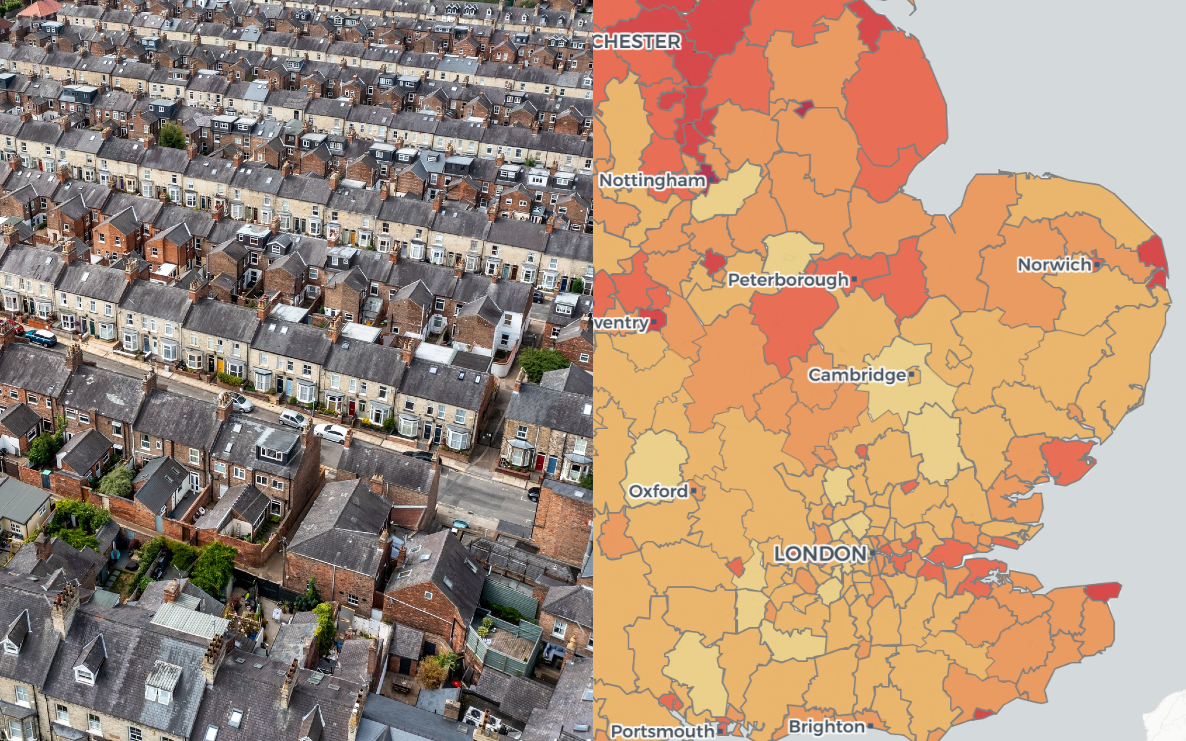
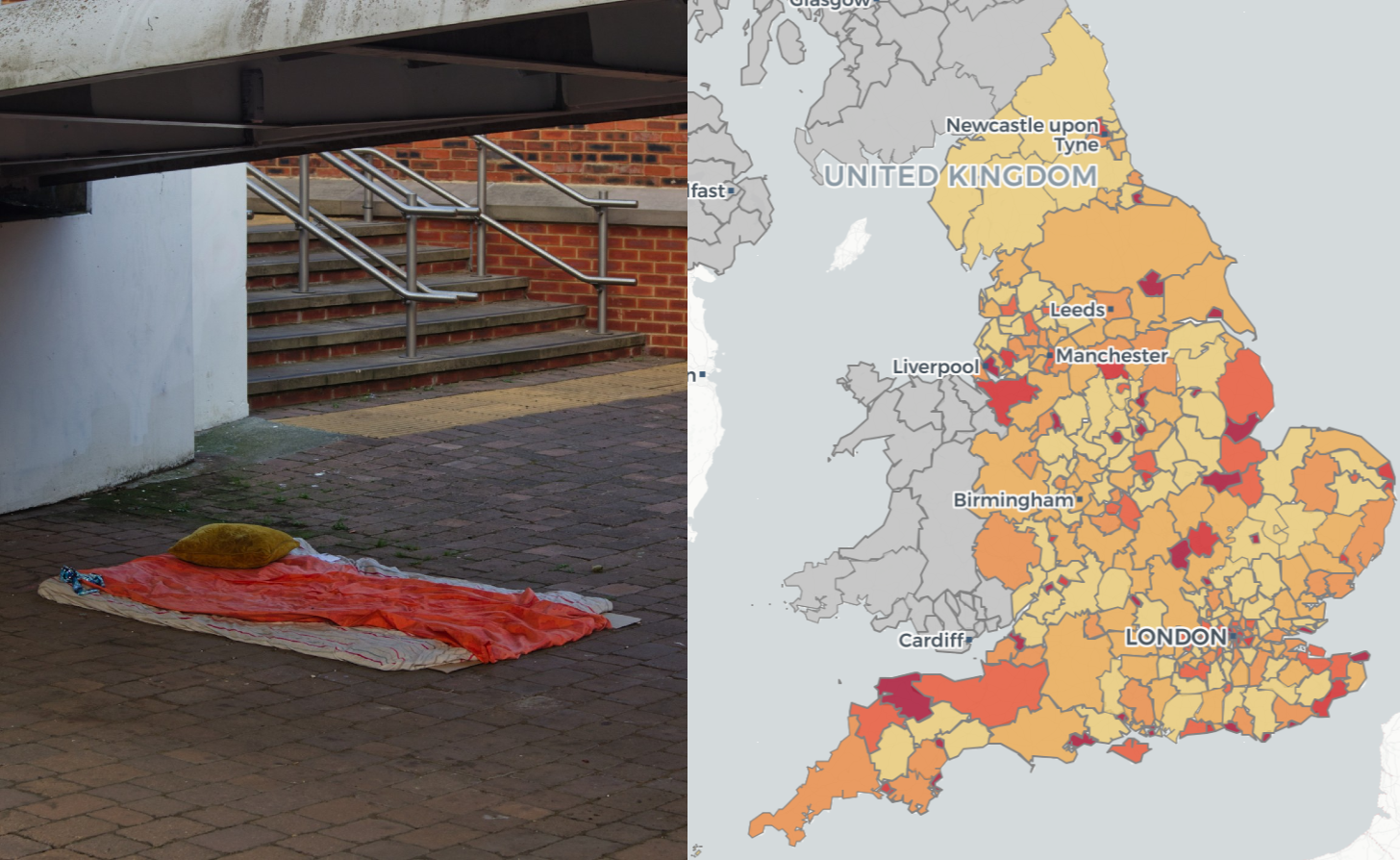
The data team at Polimapper has visualised claimant count statistics in the UK by local authority, revealing areas with the highest rates of Jobseeker’s Allowance and Universal Credit claimants.
In April, Birmingham registered the highest number and proportion of claimants in the UK, at 80.4k and 10.6% respectively. This was followed by the London areas of Newham (8.3%), Barking and Dagenham (8.2%), and Brent (7.9%).
The largest proportional year-on-year increase in the claimants was also seen in Birmingham, at 2%. Conversely, 40 local authorities saw a decrease in claimants, including Hartlepool, Stirling, and Stafford. Explore statistics in your area below.
About this map
The map below shows Claimant Count statistics by local authorities in the UK. Indicators include number and rate of people in receipt of Universal Credit or Jobseeker’s Allowance in the “searching for work” conditionality group.
To view statistics in your area double click on the map or click here to launch the full page version.
Geodata context
Today’s labour market figures made headlines as the UK job market shows signs of cooling.
Kate Shoesmith, Deputy Chief Executive at the Recruitment and Employment Confederation (REC): “Today’s data mirrors the picture we are seeing across our own and others’ jobs reports. While there are few surprises, the lack of momentum in the jobs market is the key issue here, with vacancies falling back further – an expected outcome after recent rises to employment costs. But much of the data now also points towards an upturn in the second half of 2025 – and not before time.”
“[There is a…] need for workers and business investment. The labour market is the engine that will drive productivity and growth. If the government are to achieve their goal of 80% employment, they will need to come good on both of these.”
“Employers’ ears will turn to the remaining stages of the Employment Rights Bill in Parliament which desperately requires amendments to address employers’ fears and boost hiring. Reducing the bureaucracy for firms in complying with the Bill will significantly calm nerves about dipping toes into the job market.”
Peter Matejic, chief analyst at Joseph Rowntree Foundation (JRF): “Disabled people who are able to work already find it much more difficult to find suitable work that accommodates their needs. Today’s falling number of vacancies is just another complicating factor that exposes the need to rethink the Government’s fundamentally unworkable plans to cut disability benefits.”
“The Government’s increase in employment support is expected to help, at most, 95,000 disabled people into work covering just 3% of people at risk of having their disability benefits cut. This employment support is desperately needed to remove the barriers disabled people face as are reforms to boost the quality of jobs through the Employment Rights Bill. But even the best support is undermined by the harsh extent of impending cuts.”
“The threat of widespread hardship among disabled people, unable to replace the incomes they lose out on through work, is even starker.”
Dr Andrea Barry, principal economist at Youth Futures Foundation: “The latest data from the ONS Labour Market statistics reveal a concerning trend of persistent youth unemployment, with over 12.6% of UK youth aged 16-24 out of full-time education currently unemployed. Additionally, 20.2% young people not in full-time education are economically inactive.”
“These figures further highlight the scale of the challenge to achieve the Prime Minister’s ambitious goal to eradicate youth unemployment, which he set out at Labour Party Conference. It remains achievable in the long-term, and we agree that initiatives like the Youth Guarantee are a crucial first step.”
“As co-chairs of the Youth Employment Group, we have strongly supported the Youth Guarantee as a solution to address the significant issue of young people not in employment or education. We stand eager to continue our work with Government, partners, and young people to make this a reality.”