In April, the number of incomplete pathways in NHS services decreased by 2.4% over the year, although all integrated care boards continue to miss target, new figures show.
Yesterday, NHS England released new referral to treatment waiting times statistics, showing that 6.2 million patients were waiting to start treatment by the end of April 2025. This amounts to a total of 7.4 million open pathways, a year on year and month on month decrease.
Nonetheless, the 18 week treatment target continues to be missed across England. The target sets out that 92% of people waiting for non-urgent treatment should wait no longer than 18 weeks from referral to first treatment.
On average, patients waiting to start treatment experienced waiting times of 13.3 weeks from referral to treatment, with only 59.7% of people being treated within target.
NHS mental health services, as well as elderly medicine, saw some of the best performance rates, with the targets being met in seven and four ICBs respectively.
Oral Surgery services were amongst those underperforming, seeing a rate of pathways complete within target as low as 35%.
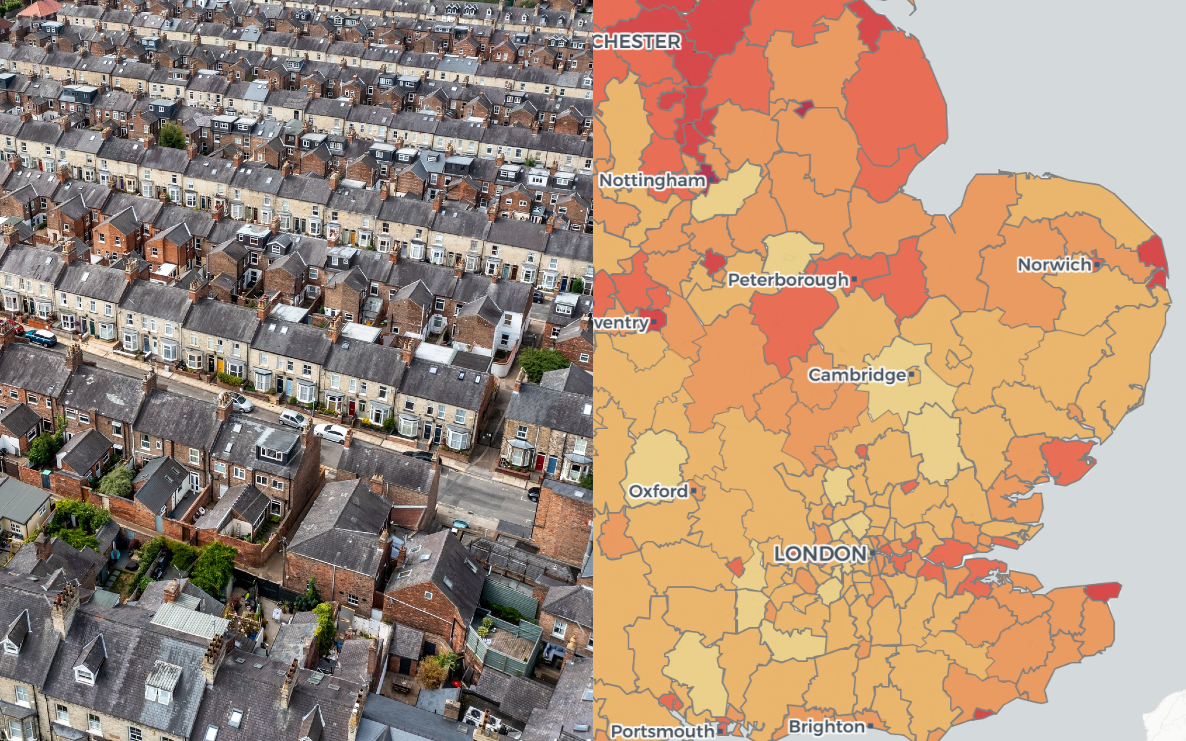
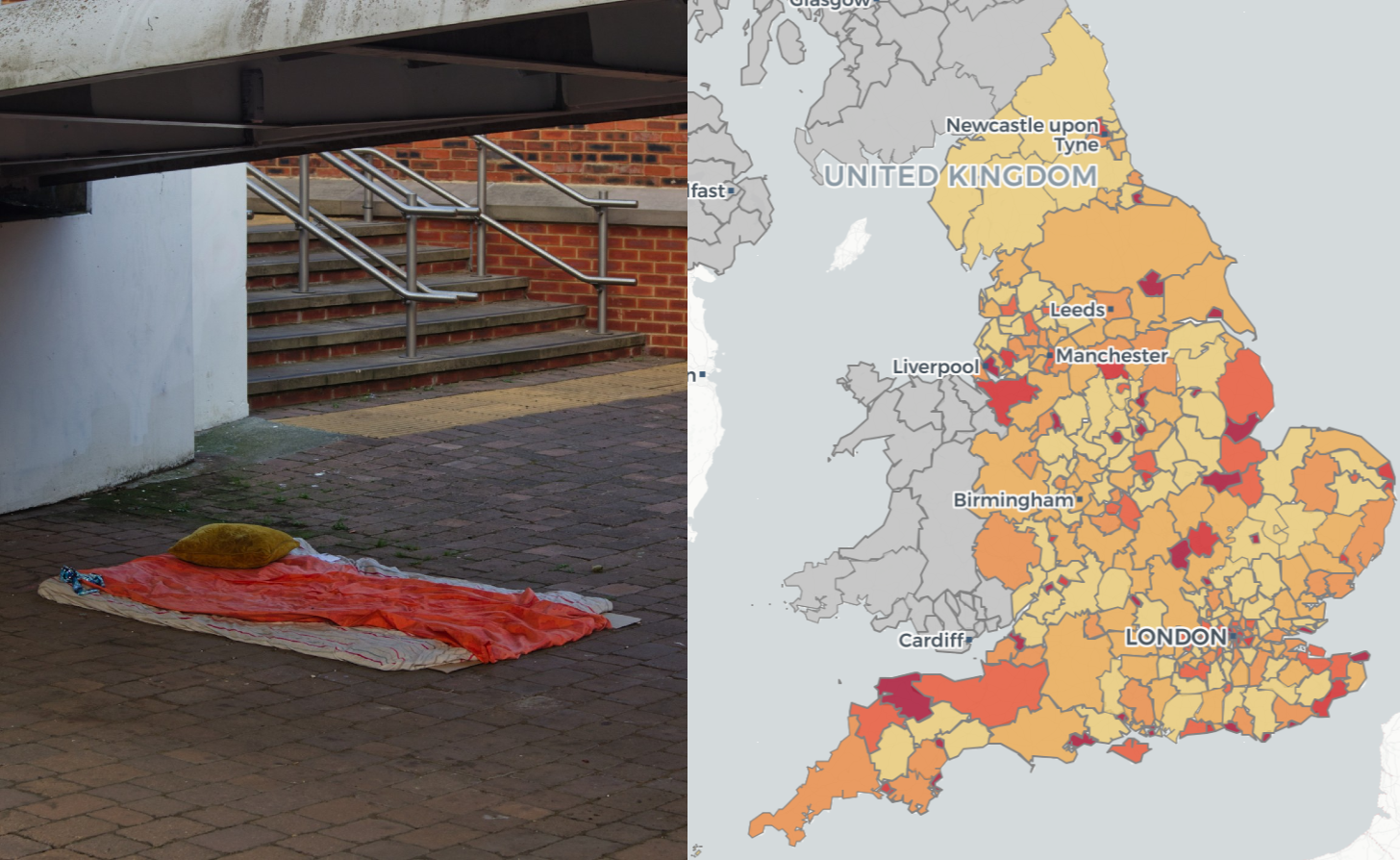
The data team at Polimapper has visualised this month’s NHS Waiting Times figures by Integrated Care Board in England, showcasing geographical disparities.
The NHS North East and North Cumbria ICB saw the highest rate of closed pathways within target, at 70%. The care board was also the third highest in number of open pathways, at 346.6k.
Conversely, in the Mid and South Essex ICB, less than 50% of open pathways were completed within 18 weeks. In Shropshire, Telford and Wrekin this rate was just over 51%. Explore statistics in your area below.
About the map
The map below shows NHS Waiting Times statistics by Integrated Care Board in England for the month of April 2025.
To view statistics in your area double click on the map or click here to launch the full page visualisation.
Geodata context
The NHS England statistics come a day after Chancellor Rachel Reeves announced the Labour government’s first spending review. The review included a boost in NHS funding of £29bn per year. The funding is aimed at meeting government pledges, including the 18 week target, by 2029.
Sarah Woolnough, chief executive of The King’s Fund: “Despite the tough economic climate, the government has prioritised health services by continuing to increase spending on the NHS for the rest of this parliament. […] A key challenge now will be for the NHS to decide how it can deliver most value from the money that has been allocated.”
“We know there are already trade-offs happening in the NHS due to tight finances. The Chancellor said she wants the public to have ‘an NHS there when they need it’. It is hard to see how all the things she mentions – faster ambulance times, more GP appointments, adequate mental health services, and more – can be met by this settlement alone, particularly when large parts of this additional funding will be absorbed by rising costs […].”
Jim Kane, chief executive officer at Community Integrated Care:“Fixing the NHS means reforming social care – yet today’s Spending Review delivered soundbites without substance.”
“While the Chancellor acknowledged the vital relationship between the NHS and social care, she failed to offer meaningful, immediate steps to strengthen that partnership or address the significant challenges facing our sector.”
Addressing the NHS Waiting Times data release, Daniel Elkeles, chief executive at NHS Providers, has commented: “It’s good to see the waiting list for planned routine care dipping down again.”
“Great credit to trust leaders and frontline staff who are helping that to happen. They’ll be working flat out to bring those figures down further and faster, which we’ll need to see in the months ahead.”
“These figures show there’s no respite for the NHS as we head into summer but there is a real determination to drive down delays.”