In England, 5.7% fewer houses were built in 2024-25, compared to the previous year, new figures show.
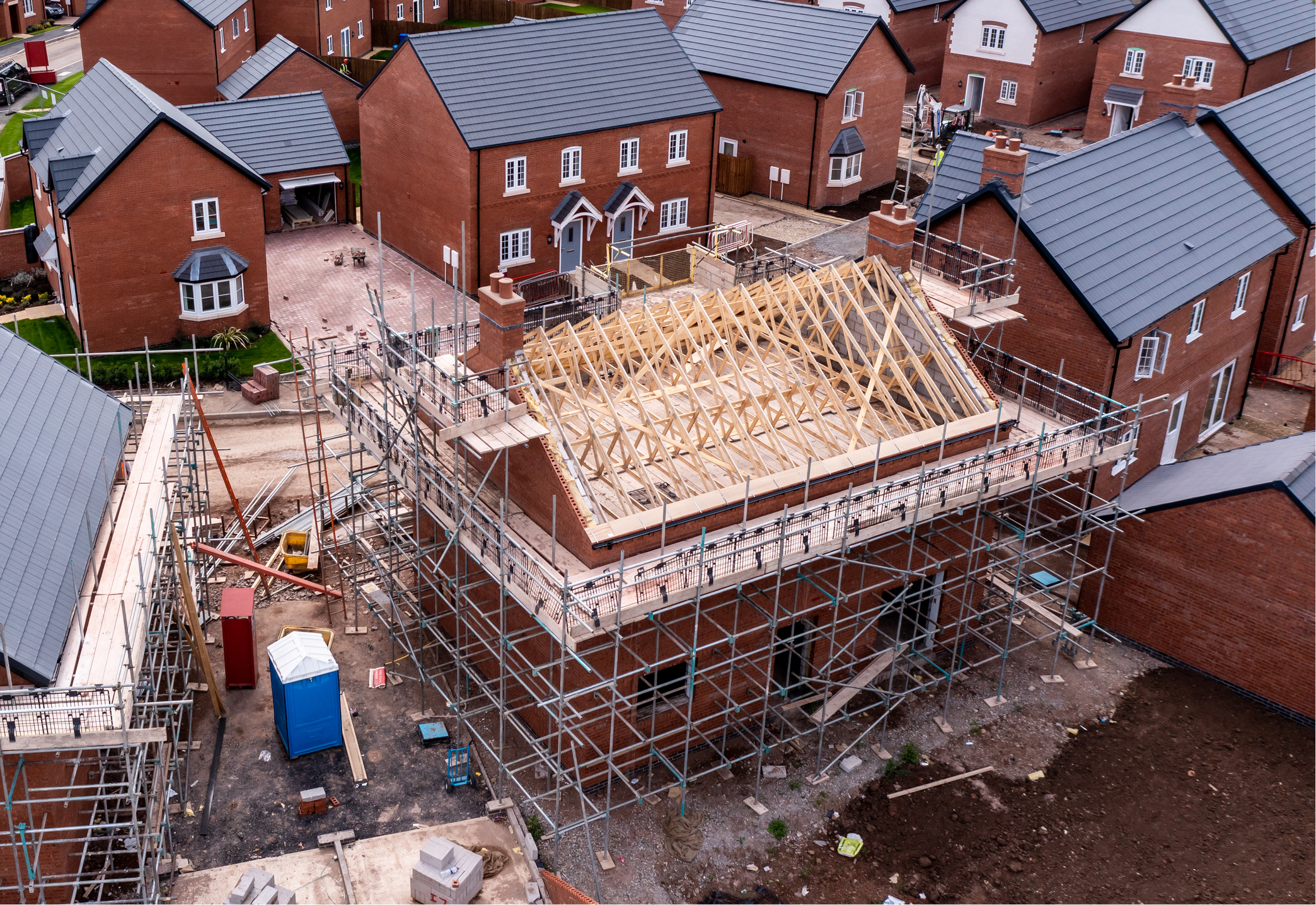
The Ministry of Housing, Communities and Local Government published a new statistical release on housing supply, revealing 152,000 houses completed in 2024-25, a 5.7% decrease from 160,000 houses the year before. After recovering to pre-pandemic levels, new housing supplies began to decline again in 2022–23.
Out of the total houses built, 114,000 were private enterprise completions, 35,000 were built by housing associations and the remaining 2,300 houses came from local authority completions.
Additionally, in the last financial year a total of 113,000 homes began construction, a 16% year-on-year decrease in dwelling starts. Private enterprises began the construction of 83,000 house starts, whilst 29,000 were started by housing associations and 880 by local authorities.
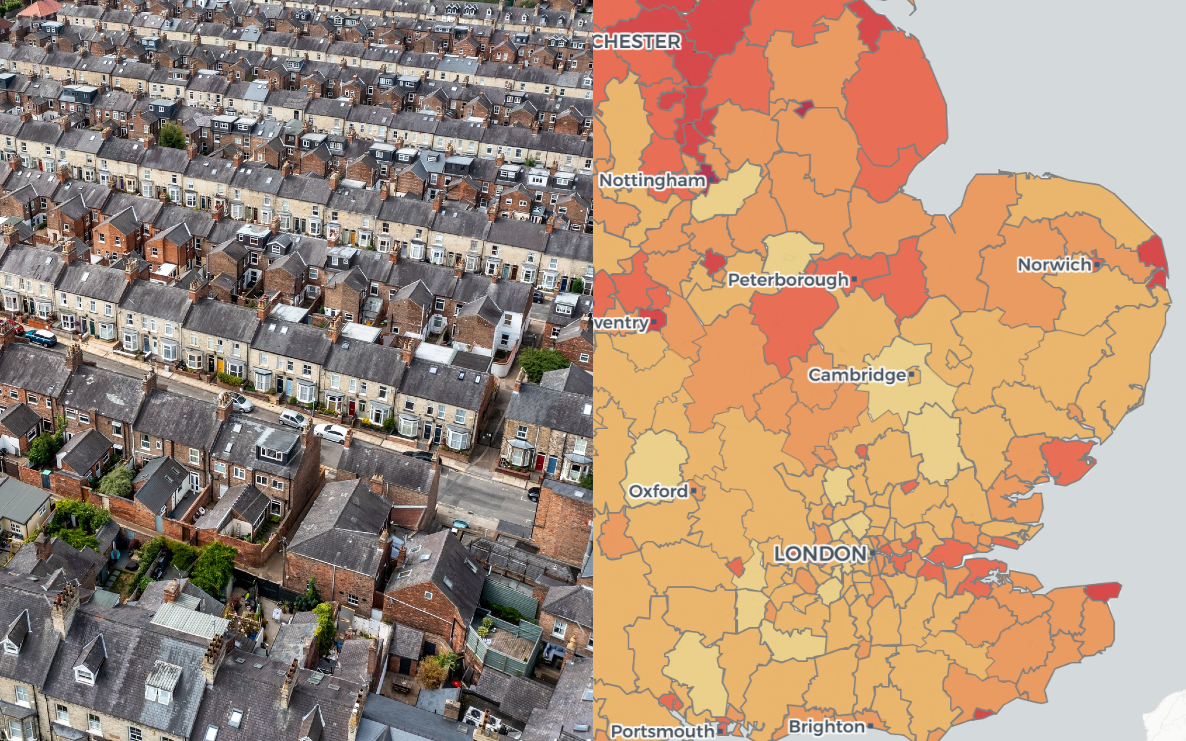
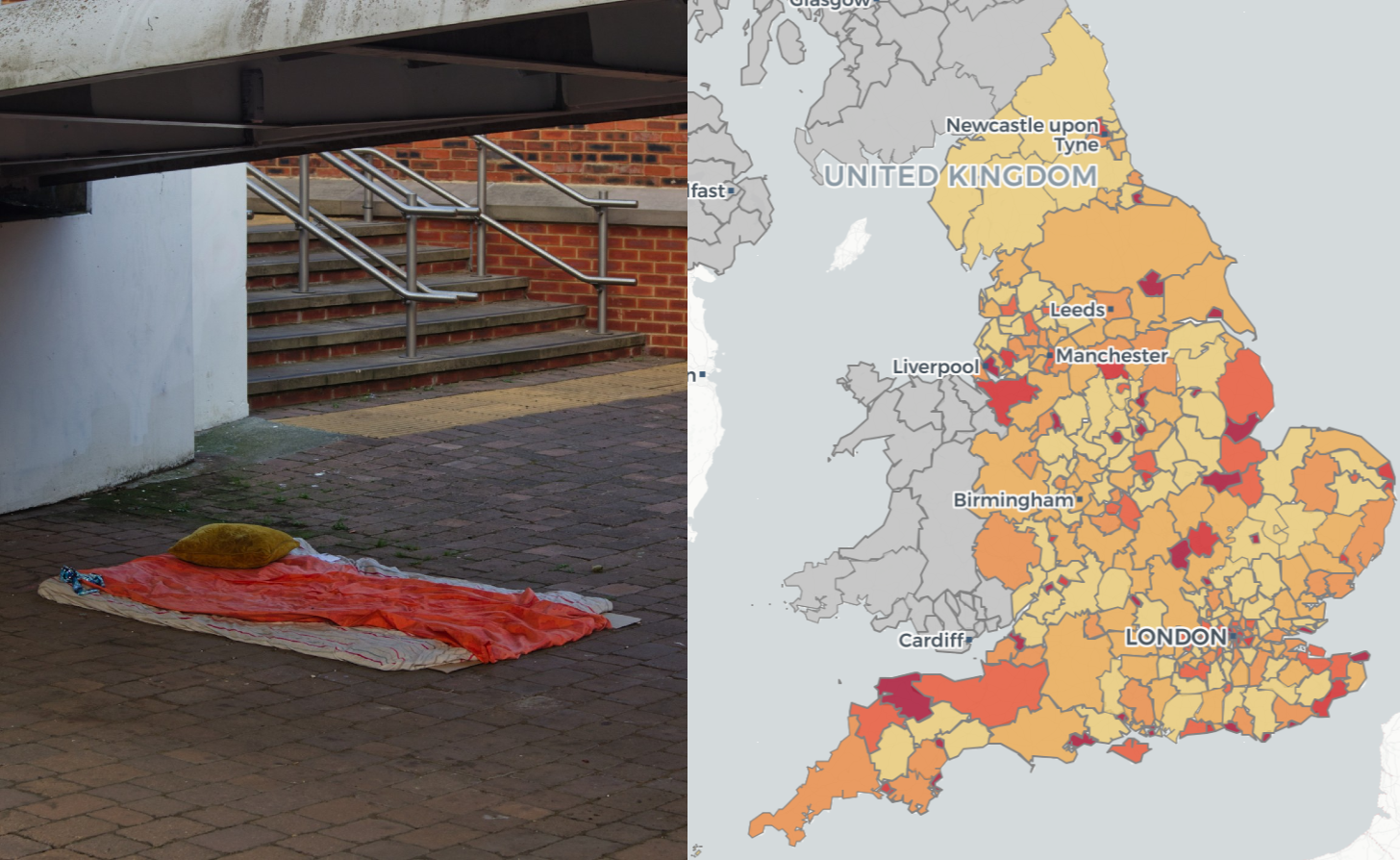
The data team at Polimapper has visualised local authority level data on the housing supply for the financial year 2024-25.
The local authority of Manchester saw the highest number of new house completions with over 3,000 new homes. Conversely, Lincoln, Mole Valley and Castle Point registered the lowest number of completions at under 40 new homes, with zero housing association and local authority completions.
Leeds (1,900) and North Northamptonshire (1,800) registered the highest number of new dwellings beginning construction.
About this map
In this visualisation, we have mapped housing supply statistics by local authorities in England.
To view statistics in your area double click on the map or click here to launch the full page version.
Geodata context
The data from the MHCLG comes amidst concerns over housing shortage, despite 1.5 million new homes pledged from secretary of state for housing Angela Rayner.
In order to keep the government’s pledge, Rayner has proposed tough house-building policies. The Housing Forum, which represents councils, housing associations and builders, has warned that measures would be counterproductive.
Anna Clarke, director of policy and public affairs, at Housing Forum: “Having consulted with our members from across the housing sector – including councils, housing associations, developers and legal firms who advise the sector – we believe that attempting to impose financial penalties on housebuilders for slow buildout rates would be counter productive to the intended policy ambition of speeding up housebuilding.”
“Rather than encouraging collaborative solution-finding to the complex issues around build-out rates and stalled sites, the proposed measures would pit councils and developers against each other in costly and slow legal battles, with councils expressing fears that this could “turn into a mud-slinging match between councils and developers over who is to blame”.”
“It may be politically attractive to blame developers for slow buildout rates, but when digging down into individual causes (as the Taskforce has recently done), it is usually the case that different factors interact, or that more than one factor is holding development up simultaneously.”