Latest NHS workforce figures reveal a 2.3% increase in staff numbers, amid feelings of marginalisation among disabled NHS staff and students.
This morning, NHS England released new NHS workforce figures for May and June 2025. The statistics show a total of 1,373,863 FTE staff members in May and 1,374,557 in June, with the latter seeing an over the year increase of 2.3%. The release includes figures by integrated care board, staff group and demographic, which Polimapper has visualised.
This comes as a new report from the British Medical Association revealed that inadequate workplace support and a culture of ableism is threatening to force disabled and neurodivergent doctors out of the NHS.
In June, over 100,000 staff members identified as disabled, whilst another 98,000 did not disclose a disability status.
Additionally, there were 741,718 clinical staff, of which 47,848 were disabled. Another 413,000 NHS workers occupied roles of support to clinical staff, with 35,000 support workers being disabled.
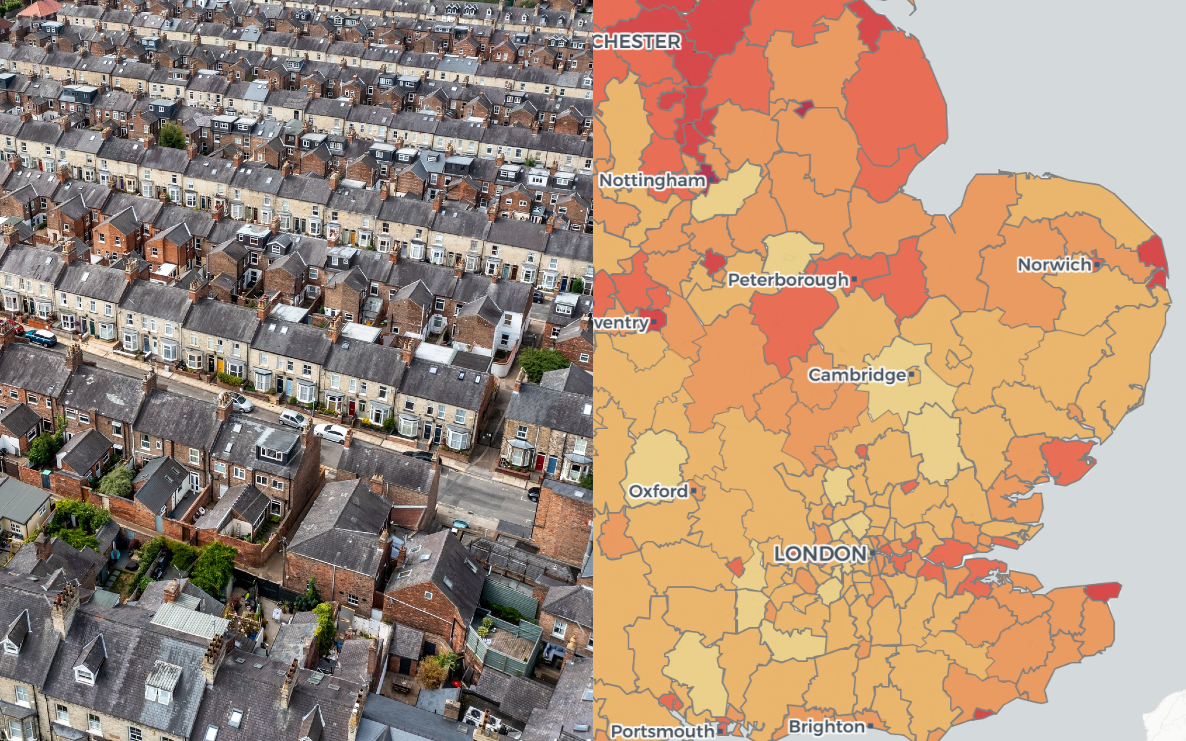
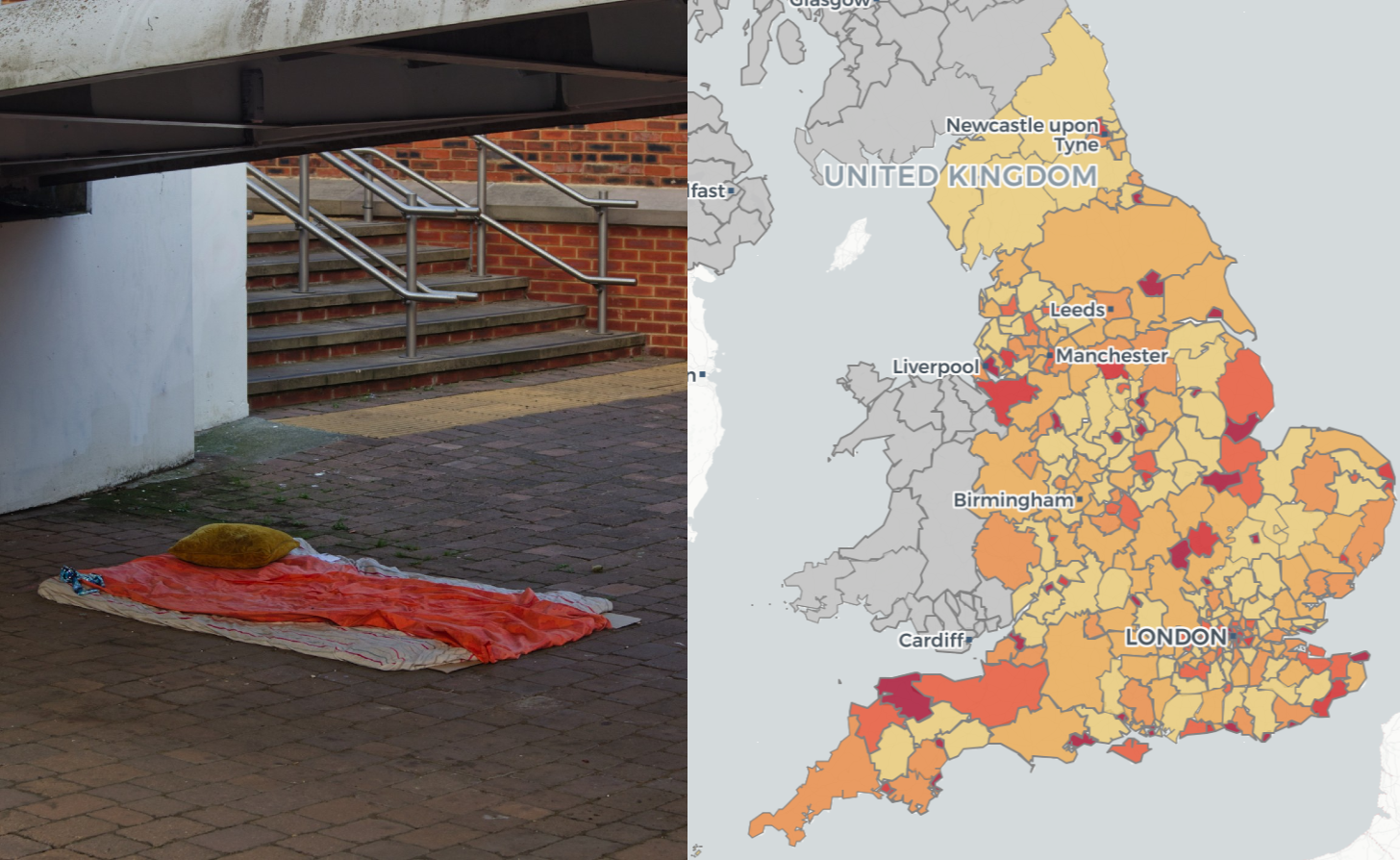
The data team at Polimapper has visualised NHS workforce figures by Integrated Care Board in England.
The NHS Greater Manchester ICB saw the highest number of full time equivalent staff at 91,915, whilst the Bedfordshire, Luton and Milton Keynes ICB saw the highest number of people per NHS FTE worker.
Prevalence of clinical staff was highest in the North Central London ICB, whilst support staff was highest in the Cambridgeshire and Peterborough ICB. Explore figures in your area below.
About this map
The visualisation shows NHS workforce figures (FTE) by Integrated Care Board in England.
Double click on the map or use the search bar to explore statistics in your area. Click here to launch the full page version.
Geodata context
The report from the British Medical Association (BMA) has found that, out of 801 disabled doctors and students surveyed across the UK, 53% said that lack of support had made them consider leaving the medical profession throughout the past two years. Additionally, 42% reported their place of work or study as not inclusive for those with a disability or neurodivergence.
Amit Kochhar, representative body chair at BMA: “Disabled doctors and medical students are present at every level of the profession, contributing as valued and vital members of the medical workforce, [yet] a lack of disability and neurodiversity awareness, coupled with discrimination and stigma, can significantly impact disabled doctors’ lives and careers.”
“Providing appropriate support is not only the right thing to do – it’s essential. Worryingly, the survey found that just 34 per cent of respondents who disclosed their disability to their place of work or study experienced improved support.”
“[Meanwhile] half of respondents reported having to use their annual leave to attend medical appointments, a clear sign that support isn’t where it should be. When that support is lacking, we risk losing talented doctors from the profession altogether.”