With the Autumn Budget fast approaching, speculation is mounting over potential tax increases aimed at bridging the government’s estimated £30 billion budget shortfall. Chancellor of the Exchequer Rachel Reeves is reportedly weighing up a range of measures, including overhauling property taxes.
At the start of the month, Reeves refused to rule out tax rises for the budget: “If we have to build the future of Britain together, we will all have to contribute to that effort”.
These changes could impact a wide range of people, not just high earners. Groups like pensioners, homeowners, and the working class are all potentially in the firing line.
While the Budget is a national event, its real impact will be felt at the local level. Tax policy changes disproportionately affect specific areas and communities.
As political rumours swirl, it’s vital to move beyond the national headlines and understand which areas of the UK are likely to be most affected by these new measures. Below, we explore the most likely predicted changes, using local-level analysis and map visualisations to provide a richer picture of where the tax burden may fall.
1. Property taxes targeting high-value homes
The Autumn Budget is expected to feature a significant overhaul of property taxes. One major proposal gaining traction is replacing Stamp Duty and Council Tax with a single, annual property levy aimed specifically at higher-value homes to boost government revenue.
This, however, is not the only option on the table. Other alternatives under consideration include spreading Stamp Duty payments over several years, or introducing higher Council Tax bands.
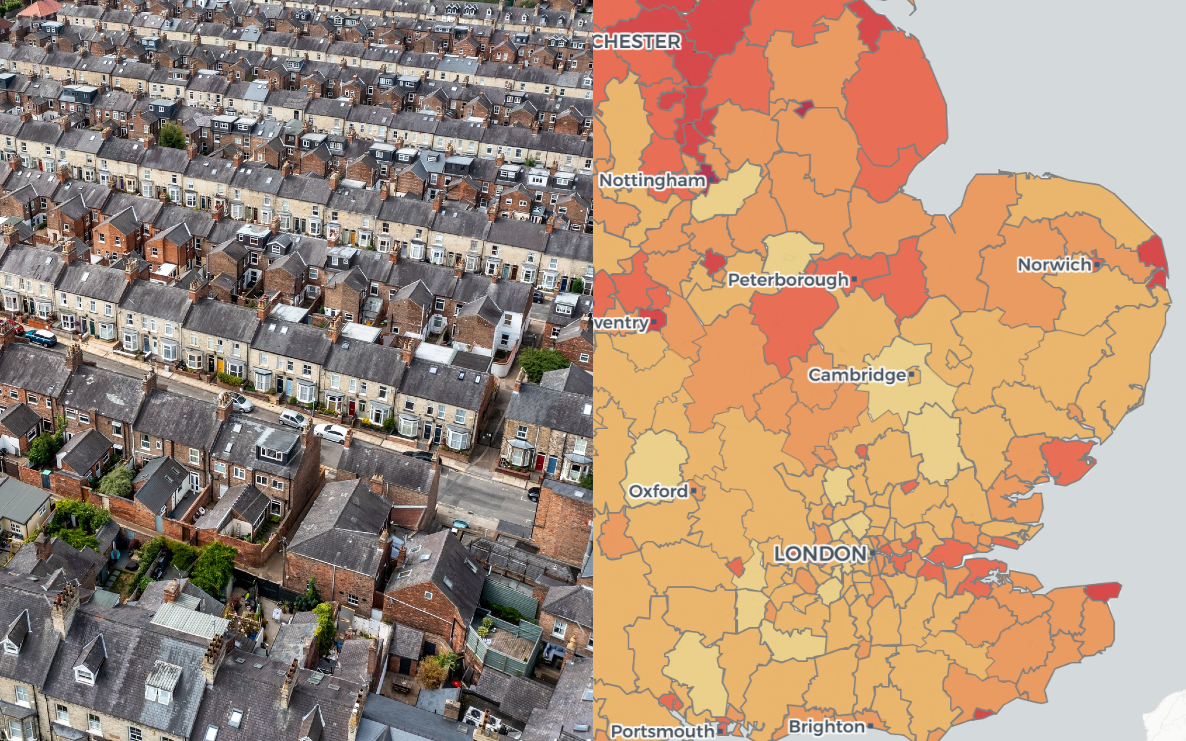
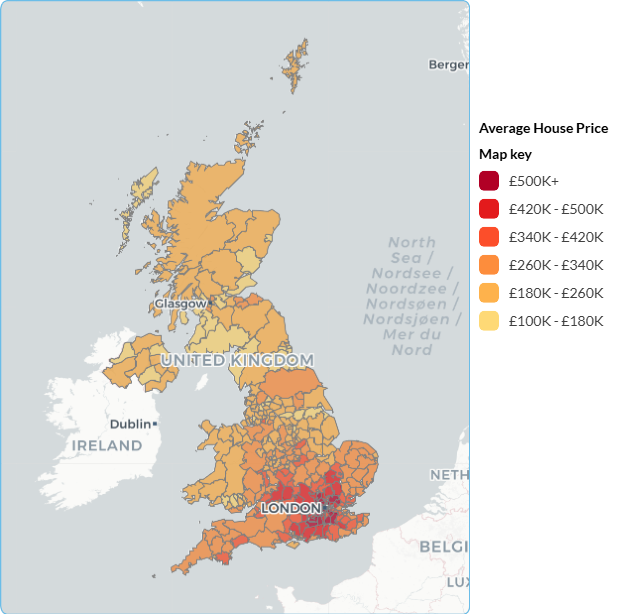
House price data indicates that property owners in London are likely to be the most impacted by increased taxes on high-value homes. The local authority area of Kensington and Chelsea boasts the highest average house price in the country at £1,263,106. Westminster, Camden, and Richmond upon Thames follow closely.
Outside of the capital, St. Albans is identified as an area likely to see a significant impact.
2. National Insurance tax for landlords
Under the current system, a landlord’s earnings from renting out a home are exempt from National Insurance in many cases, but some reports suggest this is about to change.
The think tank Resolution Foundation has proposed all landlords start paying National Insurance at the basic rate of 20% and an additional 8% for property earnings above £50,270 a year. The Times has suggested this proposal is currently under government review.
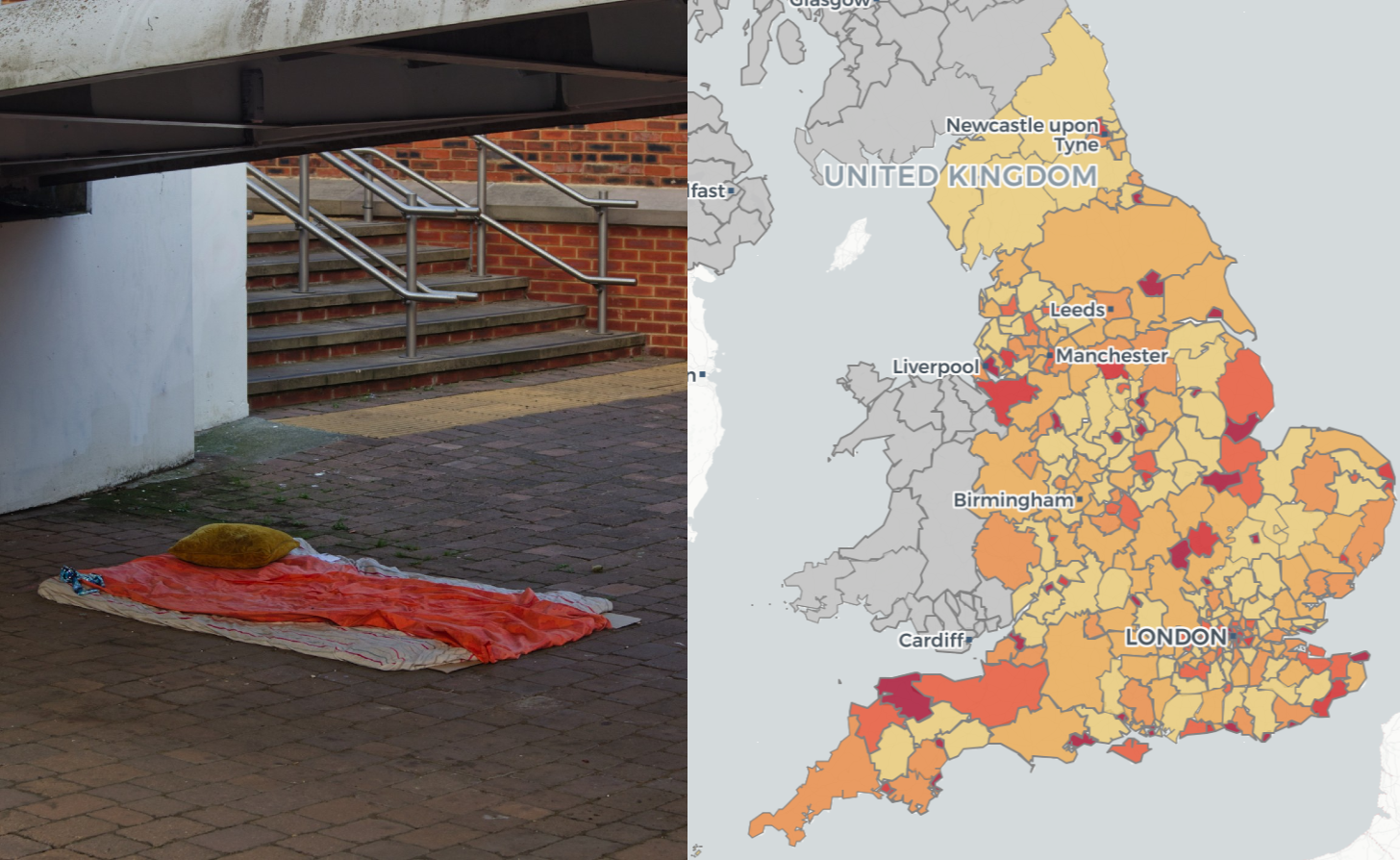
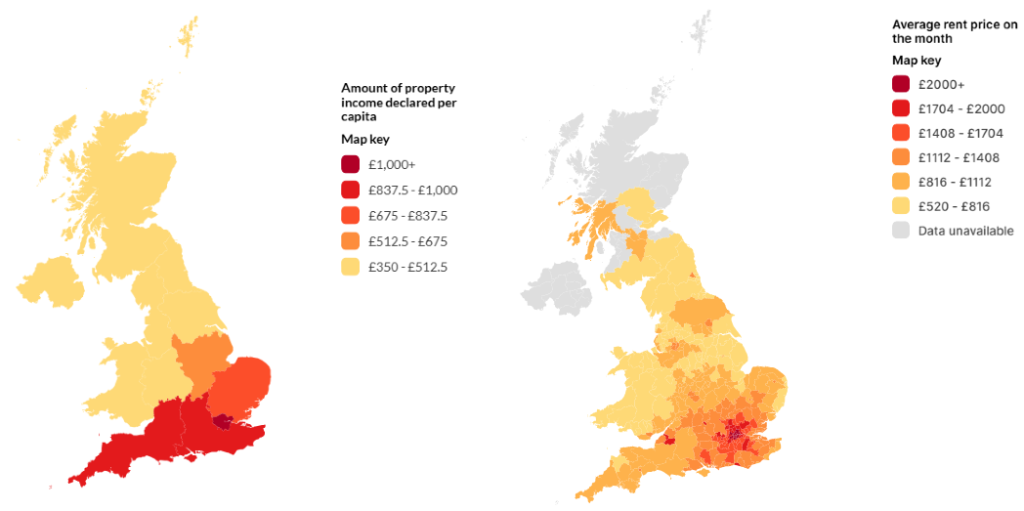
ONS data from the 2023/2024 financial year reveals that £55.53 billion was declared as property income nationally. Greater London accounted for the largest share of property rental income, declaring £14.89 billion in total and £1,638 per capita, followed by the South East, at £8.98bn in total and £931 per capita.
Furthermore, high average rental values, visualised by Polimapper, are concentrated in London, particularly Kensington and Chelsea (£3,629) and Westminster (£3,221). Outside of London, Oxford also registered particularly high average rents (£1,911).
3. Pensioners and salary sacrifice
While no official reports have confirmed specific changes to pensions, there are strong rumours that the government may target the tax-free status of retirement withdrawals. Possible measures include restricting the 25% tax-free lump sum that pensioners can withdraw, or at least reducing the higher rate tax relief on pension contributions.
Concerns over limiting the tax-free cash have resurfaced after a similar move was expected, but ultimately shelved, last year.
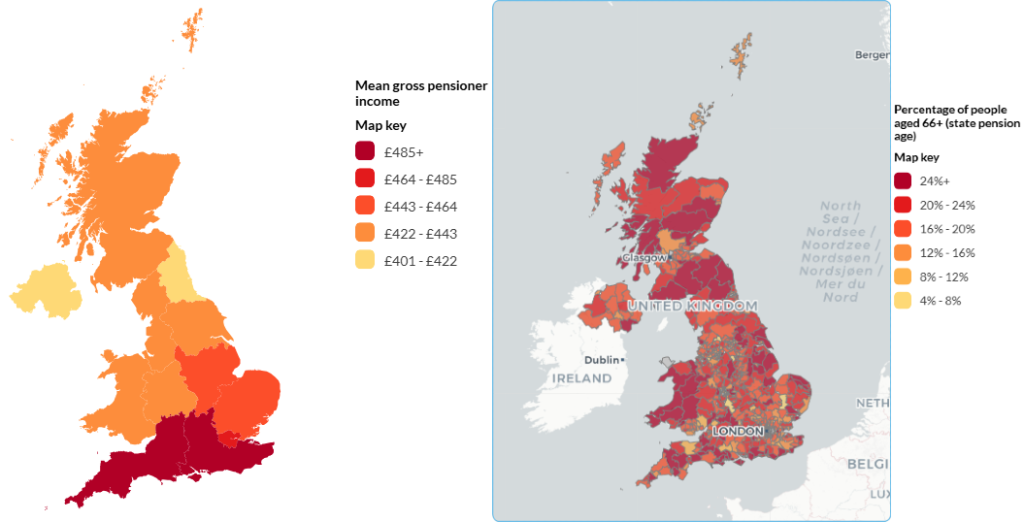
Figures from the Department for Work and Pensions reveal that the mean gross income received by pensioners, in 2021/22 to 2023/24, is highest in the South East region, at £506 per week, closely followed by South West (£491pw).
Additional data from the House of Commons Library identifies the constituencies likely to be most affected based on pensioner population. Mid-2022 estimates show that Christchurch has the highest rate of people at pension age (66+ years), followed by North Norfolk and New Forest West.
4. Supporting skills and education
Ahead of this budget, organisations have asked the government to include additional investment in professional training and further education.
Last year, the government had already made strides by promising to invest £40 million to support the development and delivery of apprenticeships. Additionally, in this year’s spending review, funding for skills was announced, to ensure 1.3 million 16-19 year-olds have access to training opportunities.
The Skills Federation has made recommendations to reform the apprenticeship levy and develop sector skills packages to support young people and adults in their careers.
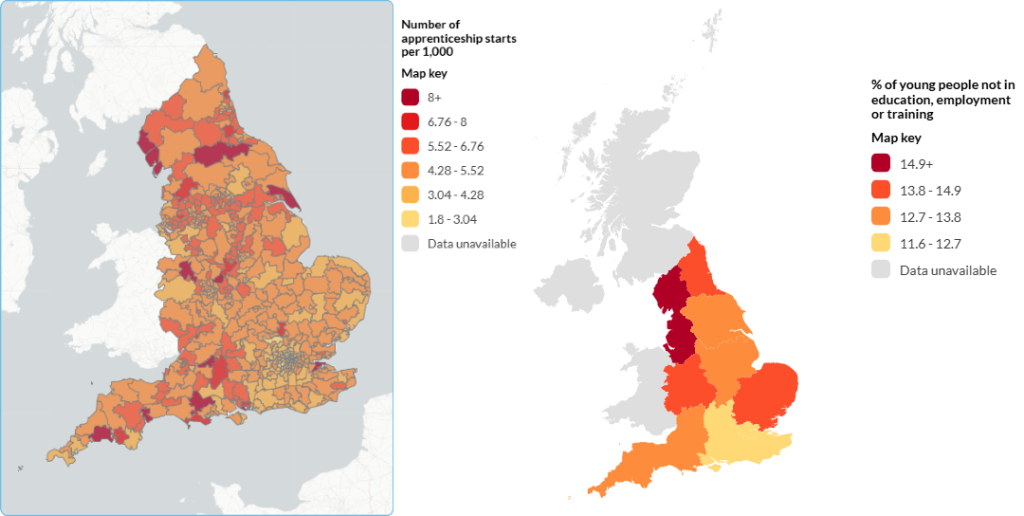
Department for Education data shows that, in the academic year 2024/25, the highest number of people starting an apprenticeship were in Richmond and Northallerton, at 18.9 per 1,000 population. This was closely followed by Gosport. The two areas also saw the highest rates of apprenticeship participation and achievement in the last academic year.
Additional figures on young people not in education, employment and training (NEET), reveal the North West as the region most in need of reforms to upskill a young population, with 16% of 16-24 year olds registered as NEET.
5. Freeze on Income Tax thresholds
Although Rachel Reeves has now scrapped plans to raise income tax at the Budget to keep with the Labour government’s manifesto pledge, sources reveal that the chancellor has decided to maintain the freeze on Income Tax thresholds. While this isn’t technically a rate increase, the resulting fiscal drag forces more people into higher tax brackets over time as their wages rise with inflation.
Income tax thresholds
- Personal Allowance: Income up to £12,570 is not taxed.
- Basic Rate (20%): Income between £12,571 and £50,270.
- Higher Rate (40%): Income between £50,271 and £125,140.
- Additional Rate (45%): Income over £125,140.
As a consequence of the combined effects of inflation and typical wage growth, the number of individuals subjected to the Higher Rate and Additional Rate bands will inevitably swell. Projections indicate this freeze is set to generate substantial additional revenue for the Exchequer, estimated at £7.5 billion.
Nonetheless, lower earners will see the consequences of this policy disproportionately.
For those whose income is close to the Personal Allowance limit, the fixed threshold means that any modest pay increase could suddenly subject a portion of their income to the 20% Basic Rate.
Crucially, the freeze on the Personal Allowance disproportionately impacts the lowest earners because the tax-free portion represents a far larger percentage of their total income compared to higher earners.
This way, the impact could be most pronounced in low-income constituencies such as Bradford East and Leicester East, alongside middle-income areas like Goole and Pocklington.
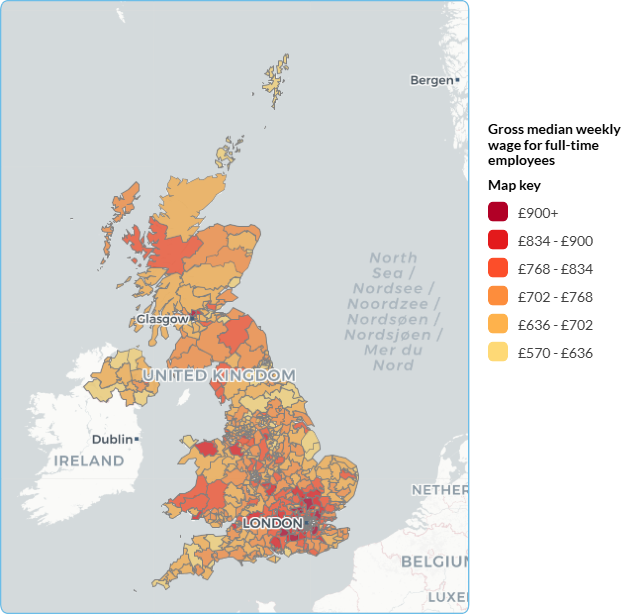
The budget burden concentrated
In the midst of all these rumours, additional targets have been placed for those inheriting agricultural holdings and with Individual Saving Accounts.
The speculation surrounding the Autumn Budget points to a clear, if politically challenging, trajectory: a hunt for revenue that will likely target income, property, and savings.
Our analysis shows that while the measures are national, the tax burden will be highly concentrated. From the low to middle income earners facing higher taxation on disposable income to homeowners bracing for property reform, the changes have the potential to redraw the financial map of the UK.
As the Chancellor prepares to deliver the budget, the real story won’t be in the totals, but in how profoundly these decisions affect specific streets, boroughs, and constituencies. By looking at the local data, we can better anticipate where the government’s focus – and the future tax pain – will be concentrated.