New diagnoses of dementia saw a decrease over the past month, with the South West region recording a notably lower rate than the national average.
This comes as new study paves the way for pinprick blood tests, which are said to detect early signs of dementia.
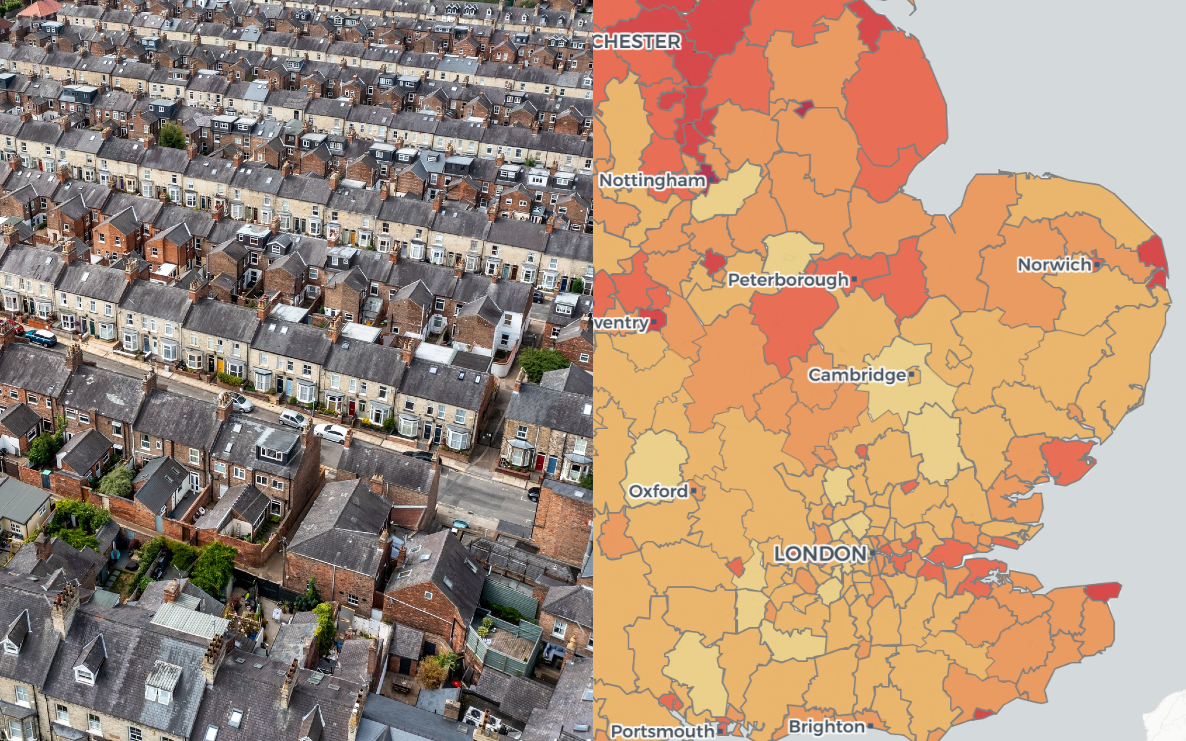
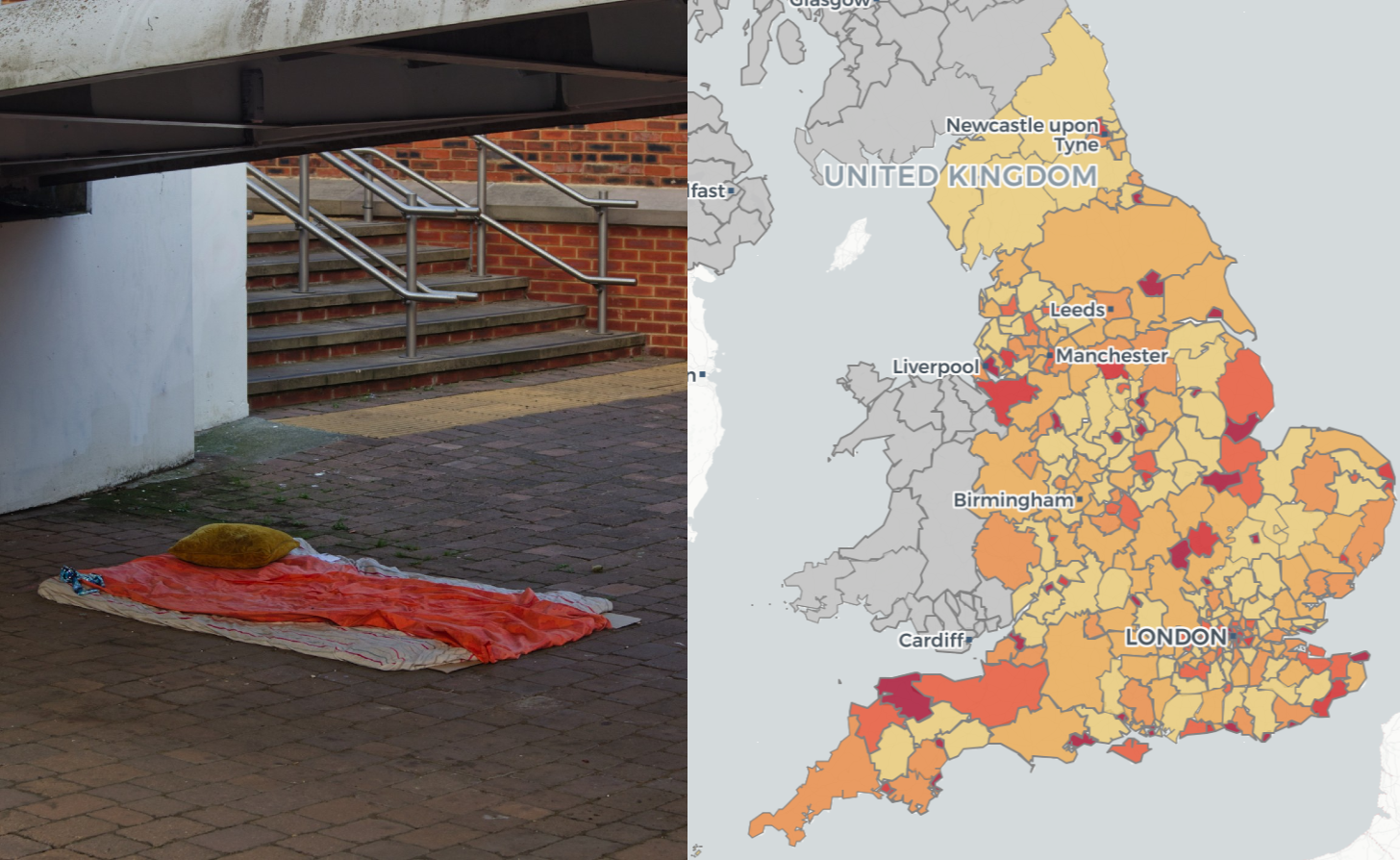
In this visualisation, we have mapped Primary Care Dementia data by local authorities in England for October 2025.
The measure ‘Rate of people with dementia’ was calculated using the latest dementia recorded figures alongside ONS mid-2024 population estimates.
To explore statistics in your area, double click on the map or use the search bar above. Click here to launch the full page map.
Geodata analysis
Figures released by NHS England reveal a decrease in the number of new dementia diagnoses from 2,036 in September 2025, to 1,250 in October. This brings the total patient count to 511,786. Nonetheless, the overall diagnosis rate remains steady at just over 66%.
Additionally, 62.5% of diagnosed individuals in England received a care plan or review in the preceding year, and of that subset, 34.3% received a necessary medication review from April onwards.
The data team at Polimapper has calculated and visualised dementia prevalence estimates for those aged 65 years and over, revealing granular trends.
In October 2025, the district of Hertsmere recorded the highest estimated prevalence of dementia among those aged 65 and over, at 7.5%. It was closely followed by Lincoln (7.2%) and Stoke-on-Trent (6.7%).
Conversely, districts like South Hams (2.4%) and Babergh (3%) exhibited the lowest estimated prevalence figures.
Geodata context
A study from UK Biobank, measuring compounds in blood collected from half a million volunteers, has paved the way for new pinprick tests capable of detecting early signs of various diseases a decade before symptoms emerge.
Researchers are using complex profiles to predict an individual’s risk for neurodegenerative diseases like dementia, shifting the emphasis from treatment to prevention. This aligns with key NHS priorities set out in the 10 year plan.
Dr Joy Edwards-Hicks, research fellow at the University of Edinburgh: “If we have early predictors of disease, we can tell someone in their 40s that their biomarkers are not looking good for their age and advise on changes they could make.”
“It fits with the model of prevention that we are moving towards, to be able to send off a little pinprick blood sample and get an idea of your health”.