In April, 76.7% of people received their cancer diagnosis on time after an urgent referral, figures show. On time diagnoses peaked in February at 80.2% but have since declined.
NHS England published new data on Cancer Waiting Times in England, showing 91.3% of people were treated within 31 days after diagnosis (50k) and 69.9% received their first definitive treatment within 62 days of urgent referral (19k).
In England, Integrated Care Boards are set three cancer waiting times targets: the Faster Diagnosis Standard, 75% of people are to be diagnosed within 28 days of an urgent referral; the 31 days Decision to Treat Standard, 96% of people are to start treatment 31 days after doctors deciding a treatment plan; and the 62 day Referral to Treatment Standard, 85% of people should receive their diagnosis and have started their first definitive treatment within 62 days.
The number of people told their cancer diagnosis within 28 days was 209.6k, compared to 63.6k people told after the target. Suspected children’s cancer performed particularly well on diagnoses, meeting target in 39 Integrated Care Boards.
Additionally, the 31 days Decision to Treat Standard was met for Haematological cancer across all ICBs.
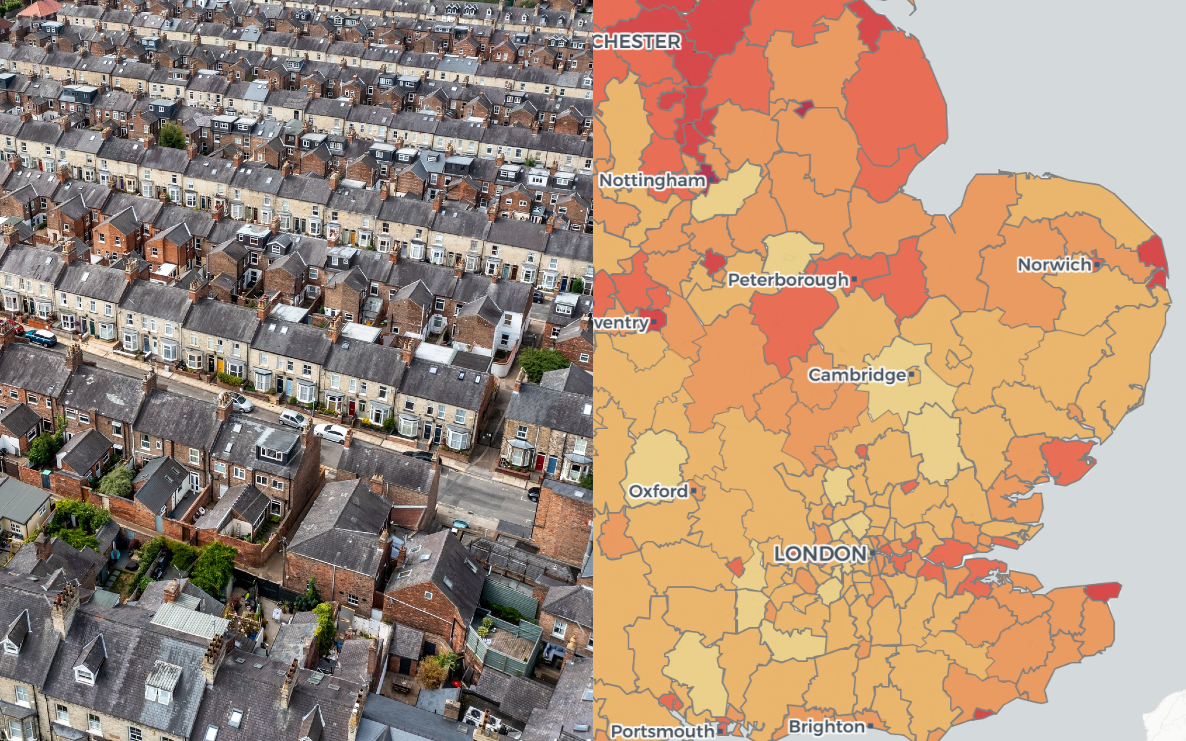
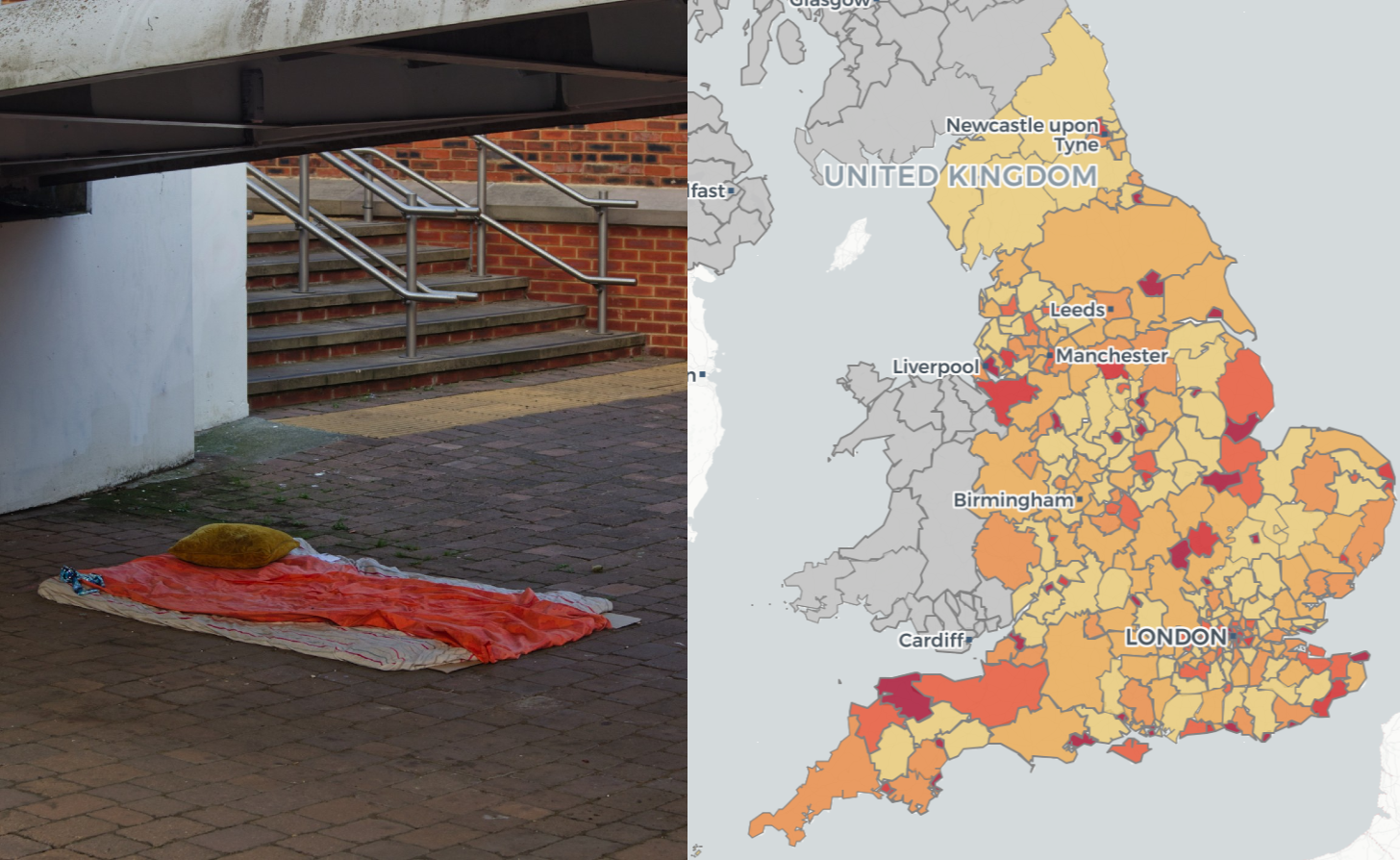
The data team at Polimapper has visualised Cancer Waiting Times Statistics, revealing London areas with a comparatively higher performance.
The Faster Diagnosis Standard was missed by 11 ICBs, compared to 5 the month before. Mid and South Essex performed the worst, seeing only 63% of pathways meeting target.
The second target, Decision to Treat Standard, was met by only 4 ICBs, with North East London registering 97% of pathways starting treatment within 31 days.
Finally, the Referral to Treatment Standard continues to be missed by all ICBs. Explore statistics in your area below.
About this map
The map below shows Cancer Waiting Times Statistics by Integrated Care Board and by Standard during April 2025.
To view statistics in your area double click on the map or click here to launch the full page version.
Geodata context
Last week, the Labour Government announced its first Spending Review, with the NHS seeing a large budget uplift: a 3% real terms increase in day to day spending budgets.
In their latest analysis, Cancer Research UK explores what the review means for cancer in the UK: “As is common with Spending Reviews, which deal with the funding pots for entire departments over multiple years, detail on where exactly the money will go is light. With the 10 Year Health Plan expected in the coming weeks and a new National Cancer Plan for England expected in the autumn, it’s now essential that more detail is provided on how this funding will be directed to improving cancer services and cancer outcomes.”
“The Government made positive investments in diagnostics, radiotherapy machines and expanding NHS capacity before today, but with cancer waiting times still far off their targets it will still be a significant challenge to deliver the uplift in capacity required to improve services and meet key cancer targets […].”
Kate Collins, chief executive at Teenage Cancer Trust:“Strong healthcare is the backbone for successful societies and economies, and the foundation for young people to achieve their dreams. Sadly, when it comes to cancer, they are in danger of being left behind through delayed diagnosis, barriers to potentially life-saving clinical trials and limited specialist psychosocial support.
“It’s vital that the subsequent 10-year NHS Health plan includes strategies that meet the unique needs of young people with cancer, avoiding an Achilles heel in a strengthened health system.