The landscape of Local Government Reorganisation (LGR) is shifting rapidly this week, marked by key decisions and simmering dissent. Kent and Medway has shortlisted five potential proposals, while Hertfordshire has solidified its plans around three configurations. Meanwhile, LGR efforts are facing challenges: a protest walk-out has occurred in Derbyshire, and councils led by Reform UK are rejecting existing interim plans.
These developments come as councils rush to meet key deadlines, preparing to submit detailed cases to the government by the end of the month, with final proposals due by as early as March 2026.
Kent and Medway shortlists reorganisation proposals
Following an initial September meeting that identified just two configurations, councils in Kent and Medway have since developed three additional reorganisation proposals, bringing the shortlist to five.
Later this month, Kent County Council, Medway Council, and the twelve district councils will convene to debate and select their preferred option from the five proposals listed below. The chosen option will form the basis of a formal submission to the central government.
- A single unitary council covering the whole of Kent and Medway.
- A three unitary structure, divided into North, East and West regions.
- A four unitary plan, using existing district boundaries to create the North, West, East and mid Kent authorities.
- A four unitary option, using new boundaries to establish North, West, East, and Mid Kent authorities.
- A five unitary option, based on new boundaries creating authorities in North, West, East, South, and Mid Kent.
The leaders of Kent and Medway plan to submit their detailed business cases to the government by the end of November, pending final approval in council meetings.
Hertfordshire commits to three LGR options
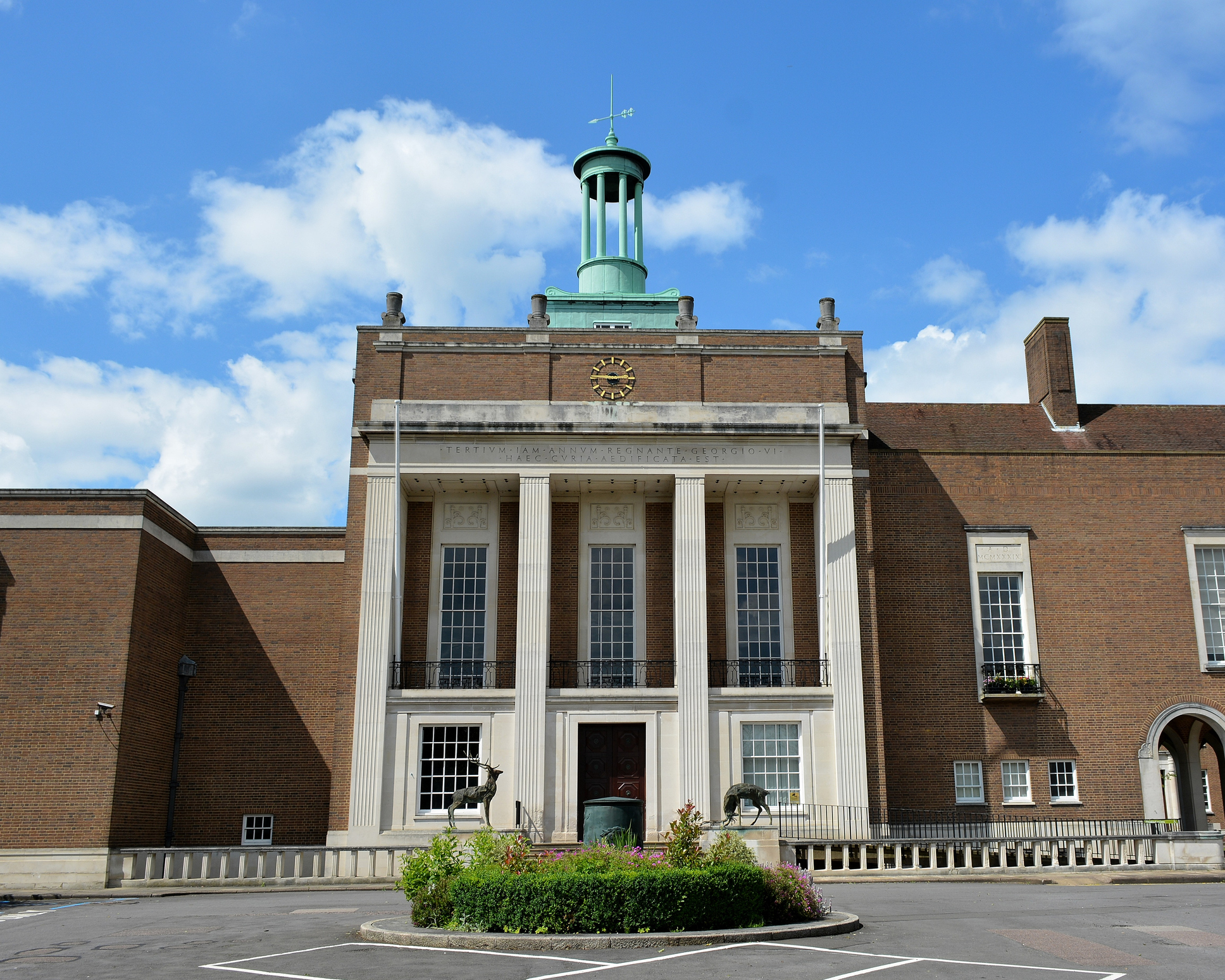
Council leaders in Hertfordshire have been actively working on LGR in recent months, culminating in a decision to advance three specific reorganisation options. These proposals must be formally submitted to the government by November 26th.
The three options were highlighted during a recent public consultation:
- A two unitary option which would split the area into East and West authorities.
- A three unitary alternative, splitting the region in East, West and Central areas.
- A final four unitary proposal, with one unitary in the West, and additional authorities in the South West, Central and East areas.
These proposals are detailed in an official document drafted by Hertfordshire officials and leaders and will be the subject of further discussion across all councils this month.
Opposition councillors protest reorganisation
Amid discussions over local government reorganisation at the beginning of the month, Conservative and Independent councillors representing Derby City Council walked out due to final decisions being made by the cabinet rather than the full council.
Despite the largely empty chamber, a vote was passed to recommend the Cabinet submit a two-unitary proposal for Derbyshire.
Derbyshire currently has two split-county proposals under consideration: both would divide the county into two unitaries. The difference between them lies in the placement of Amber Valley Borough Council:
- Option A places Amber Valley Borough Council in the North.
- Option B places Amber Valley Borough Council in the South.
Commenting on the decision, the Conservative group leader Steve Hassall stated: “Tonight democracy is being denied, and that is fundamentally wrong”.
Reform UK led counties challenge LGR
The recently elected local leaders from the Reform UK party have demonstrated strong opposition to the existing interim reorganisation plans, with some presenting new proposals and others openly criticising LGR.
This resistance is evident in Kent, where the Reform leader has openly criticised LGR proposals and developed a single unitary proposal countering previous options. Similarly, in Staffordshire, the Reform leader has suggested major changes to the plans put forward by the preceding Conservative administration.