NHS waiting list performance improves in September, following a summer of consecutive increases. This comes as the British Medical Association confirms resident doctor strikes across England.
This morning, NHS England released new Referral to Treatment (RTT) Waiting Times figures, demonstrating a 1.6% decrease in open pathways over the month. The number of pathways where a patient was waiting to start treatment was 7,298,187 in September, a drop from 7,414,794 in August.
The rate of pathways completed within the target waiting time also improved. 61.8% of pathways were closed within the 18 weeks target, however this falls significantly short of the government’s 92% pledge.
The average waiting time for September was 13.4 weeks; despite over 170,000 pathways being closed after 52 weeks.
The Elderly Medicine Service continues to perform particularly well, with 84.1% of pathways closed on time. Conversely, the Oral Surgery Service recorded the lowest rates, seeing only 50.9% of pathways closed within the 18-week target.
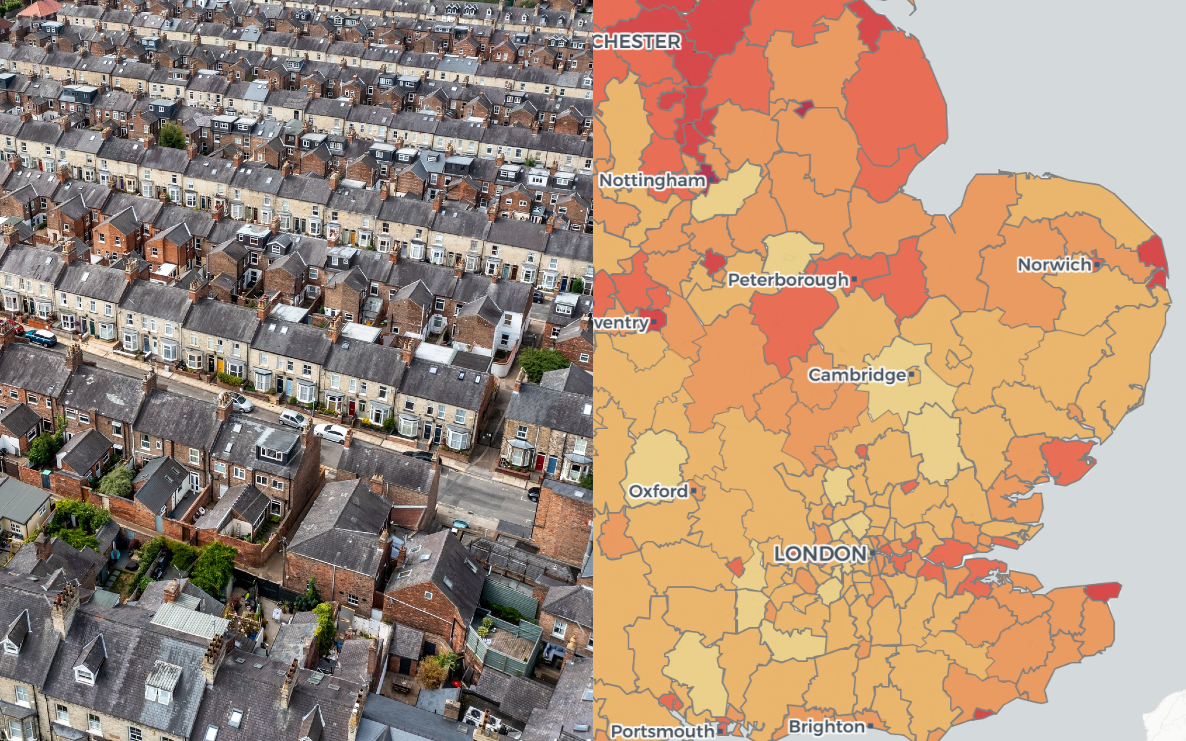
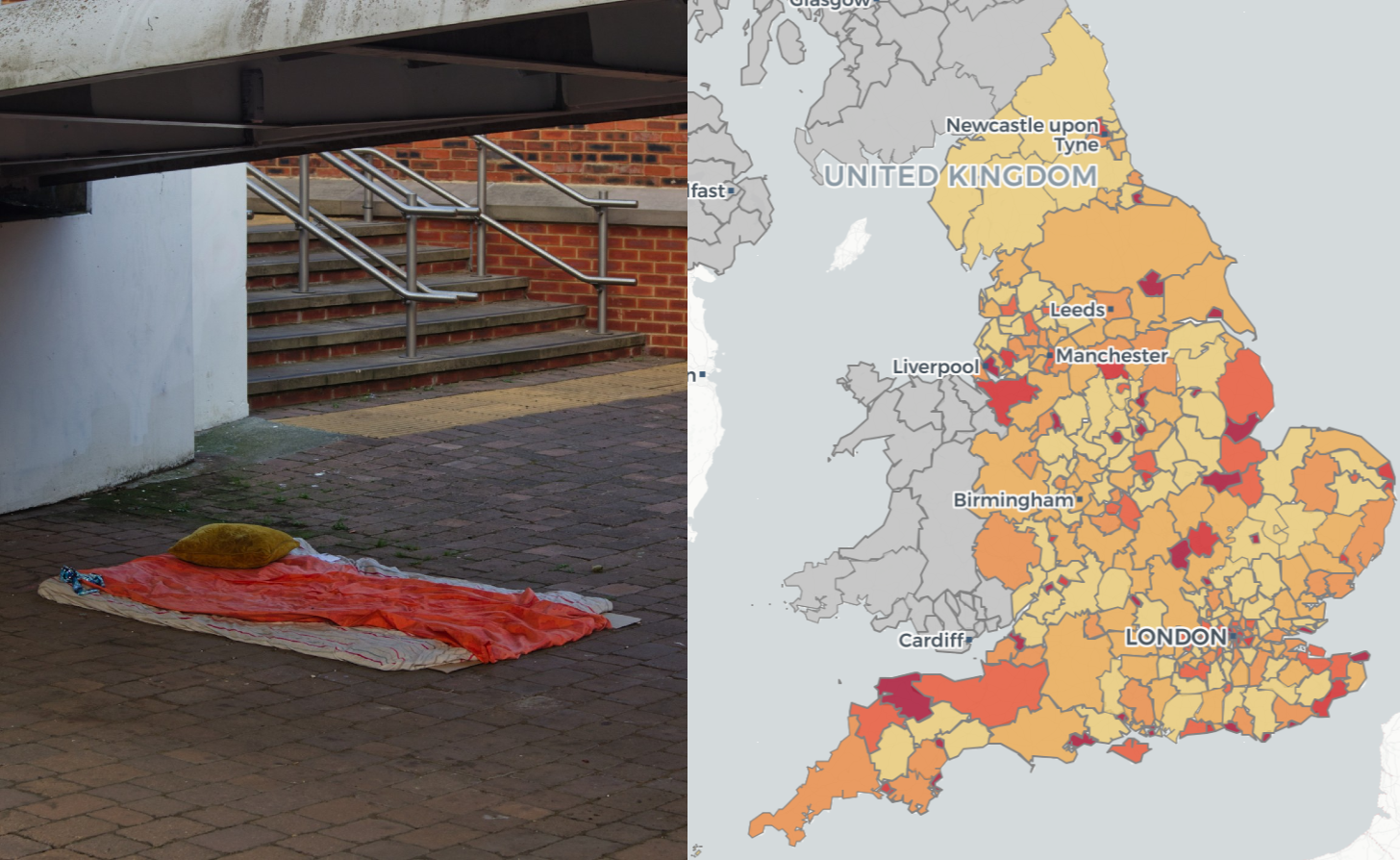
At Polimapper, our data team has visualised NHS waiting times figures by Integrated Care Board in England, revealing regional trends in health provision.
Whilst no ICBs met the 92% target, the North East and North Cumbria ICB performed comparatively well, leading at 71.2%, followed closely by NHS Cornwall and the Isles of Scilly ICB at 70.8%.
About this map
Using NHS Consultant-led Referral To Treatment (RTT) Waiting Time data, we have visualised the number of patients currently awaiting treatment in England by Integrated Care Board, as well as the amount of time in weeks patients have been waiting for treatment.
To find out more about the situation in your area, double click on the map or use the search bar above. Alternatively, click here to launch the full page visualisation.
Geodata context
The British Medical Association (BMA) announced an upcoming strike by resident doctors, scheduled to begin on Friday, November 14th. The action is being taken due to concerns over pay erosion and an insufficient number of specialty training places.
This announcement closely follows the busiest October on record for NHS Emergency Departments (A&E) and comes just months after the resident doctors’ walkout in July.
Wes Streeting, health secretary, has commented: “I think it is so reckless and irresponsible for resident doctors to be out on strike over the coming days, not least because we’ve shown, and I’ve shown, this is a Government and a Health Secretary that wants to work with resident doctors”.
Tim Gardner, assistant director of policy at Health Foundation, adds: “Making sure the health service has what it needs to deliver on the government’s flagship pledge of cutting NHS waiting lists is clearly on the Chancellor’s mind”
“An urgent resolution to the dispute between the government and resident doctors is […] vital.”